
Update Every Room and System at Once
Whole-home renovation services in the Los Angeles area that handle structural changes, system upgrades, and interior redesign from start to finish.
Your home needs more than one or two rooms updated. The layout does not work for how you live now, the plumbing and electrical systems are outdated, and the exterior shows wear that makes the whole property look tired. Homeowners in Glendale who want to stay in their neighborhood but need a house that functions like it was built this decade face the decision to renovate everything at once or continue patching problems one at a time. A whole-home renovation addresses structural issues, modernizes systems, and redesigns interiors so the entire house works together instead of feeling like a series of disconnected fixes.
Whole-home renovations with Grew Builders Inc. include structural layout modifications that open up rooms or reconfigure traffic flow, interior redesign that updates finishes and fixtures throughout, and exterior facade upgrades that improve curb appeal and weather resistance. The work also covers systems modernization for plumbing, electrical, and HVAC to meet current code and efficiency standards, permit and code compliance coordination, and full project management so all trades work in sequence without delays or conflicts. Each phase is planned to minimize disruption and ensure the finished home meets your functional and aesthetic goals.
If you live in Glendale and your home needs a full reset, reach out to discuss how a whole-home renovation would address the structural, system, and design issues you are dealing with now.
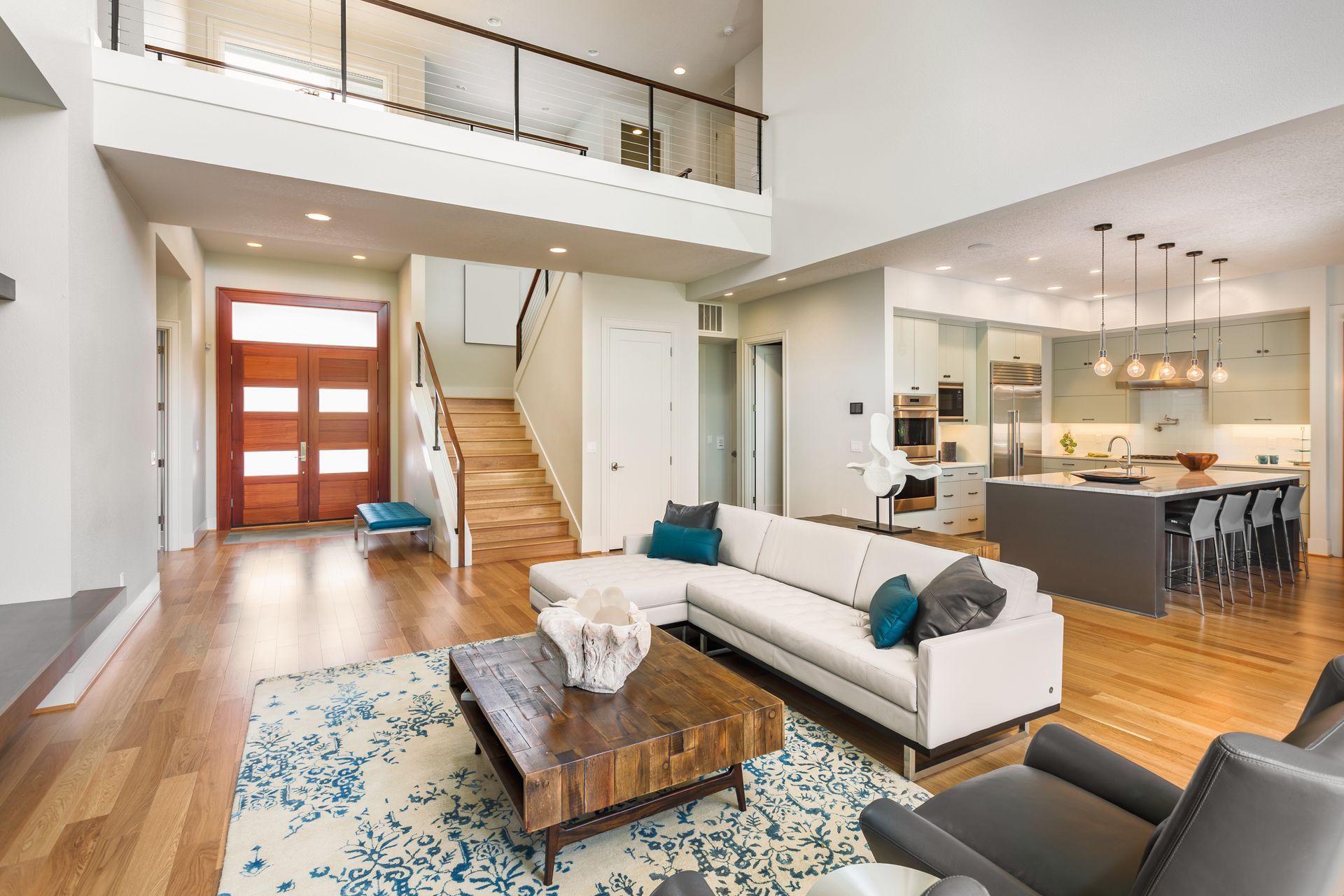
What Happens During a Complete Home Update
The renovation process in Glendale begins with a walkthrough to identify structural issues, outdated systems, and layout problems that limit how you use the space. Walls are removed or relocated to open sightlines and improve flow between rooms. Plumbing and electrical lines are replaced or rerouted to meet current code and support modern fixtures and appliances. HVAC systems are upgraded or replaced to provide consistent climate control throughout the house. Flooring, cabinetry, countertops, and fixtures are installed in every room, and exterior siding, roofing, or trim is repaired or replaced as needed.
When the work is complete, you will notice doors that open without dragging on uneven floors, light switches and outlets placed where you actually use them, and plumbing that delivers consistent water pressure without rattling pipes. Rooms feel larger because walls that created unnecessary hallways or boxed-in spaces have been removed. The exterior looks cohesive because mismatched repairs or faded finishes have been replaced with materials that match or update the original style. Every system operates quietly and efficiently, and the house feels like it was designed for how people live now, not decades ago.
This service includes permit applications and inspection coordination for all structural, electrical, plumbing, and mechanical work. It does not include furniture, landscaping, or window coverings, though window and door replacements are part of the scope if existing units are damaged or inefficient. The timeline depends on the size of your home, the extent of structural changes, and whether you relocate during construction or stay on-site with limited access to certain areas.
Questions Come Up Before Big Projects Start
Renovating an entire home involves decisions about scope, budget, and how long you will be without full use of your property. These questions address what homeowners in Glendale want to know before committing to a project of this scale.
Grew Builders Inc. manages whole-home renovation projects throughout Glendale, coordinating every phase from design and permitting through final inspections and walk-throughs. If your home needs a full reset to function the way you need it to, contact us to schedule a consultation and review what changes would make the biggest difference in how you live there.